Web applications
Secure portals, dashboards, workflow systems, and customer-facing products built for browsers and the cloud.
↗
Custom software · Automation · Integrations
Custom-built solutions to optimize workflows, automate processes, and enhance business efficiency.
Every platform. Connected.
Web, mobile, Windows, specialized platforms, hardware devices, and integrations that make existing applications talk to each other.
Secure portals, dashboards, workflow systems, and customer-facing products built for browsers and the cloud.
↗Purpose-built mobile experiences for employees, customers, field teams, and connected operations.
↗Desktop software and operational tools designed for Windows-based business environments.
↗Cross-platform and specialized applications shaped around the environment where the work happens.
↗Software that controls, reads from, or exchanges information with scanners, clocks, signature pads, and other devices.
↗APIs and integration layers that make existing applications, databases, services, and platforms talk to each other.
↗U.S.-based team
Direct collaboration with the people responsible for delivery.
Transparent communication
Clear project conversations, progress, cost, and tradeoffs.
Ongoing support
Maintenance and development that continue as business needs evolve.
What we do
From reporting and dashboards to business automation, integrated hardware, web applications, POS, enterprise systems, and AI, our services are shaped around real operational needs.
Streamline daily operations with tailored automation that reduces repetitive work, errors, and bottlenecks across departments.
Connect directly to the data you already have and turn it into clear, real-time information for better decisions.
Develop code for hardware devices, connect equipment to business software, and make separate applications exchange data and work together.
Build the workflows off-the-shelf products miss, from a focused enhancement to a complete application for web, mobile, Windows, or another specialized platform.
A useful delivery loop
Working software creates the feedback that turns a promising idea into something genuinely useful.
How we work
We make uncertainty visible early, keep decisions close to the people doing the work, and treat maintainability as part of the product—not an afterthought.
Align on the problem, users, constraints, and definition of success.
Turn the opportunity into a focused experience and technical plan.
Deliver working software in clear, testable increments.
Learn from real use and strengthen what creates value.
Modern tools, chosen around the problem
React · TypeScript · JavaScript · Angular · Next.js · WordPress
.NET / C# · Node.js · Python · Java · PHP
PostgreSQL · MySQL · Microsoft SQL Server · Redis · Oracle Database · Elasticsearch
AWS · Microsoft Azure · Google Cloud Platform
Docker · Kubernetes · Jenkins · TeamCity · Jira · Git
Email, Phone, On-Site: Tell us what you need!
Client stories
Honor Tech has helped court and judiciary teams automate processes, integrate systems, improve data visibility, and create more reliable workflows.
Visit testimonials“Software Development played a crucial role in helping us achieve our technical business objectives. They were both professional and affordable and promptly responded to our specific requirements.”
Phillip Gallegos
Court Operations Manager · Bernalillo County Metropolitan Court
“Honor Tech's technical expertise, combined with their ability to collaborate effectively with all stakeholders, has made a meaningful impact on Bexar County’s judiciary.”
Johnnie Gordon
Ankobia Group LLC · Bexar County judiciary software partnership
“Honor Tech was amazing! They made our email migration seamless. They transitioned us to a modern platform and provided exceptional support until our team was fully operational.”
Danielle Paden
Accountant · Flashfill Services, LLC
Referral program · 10% commission
Make the introduction. If your referral signs and pays, you earn 10% of the signed contract value.
From the Honor Tech blog
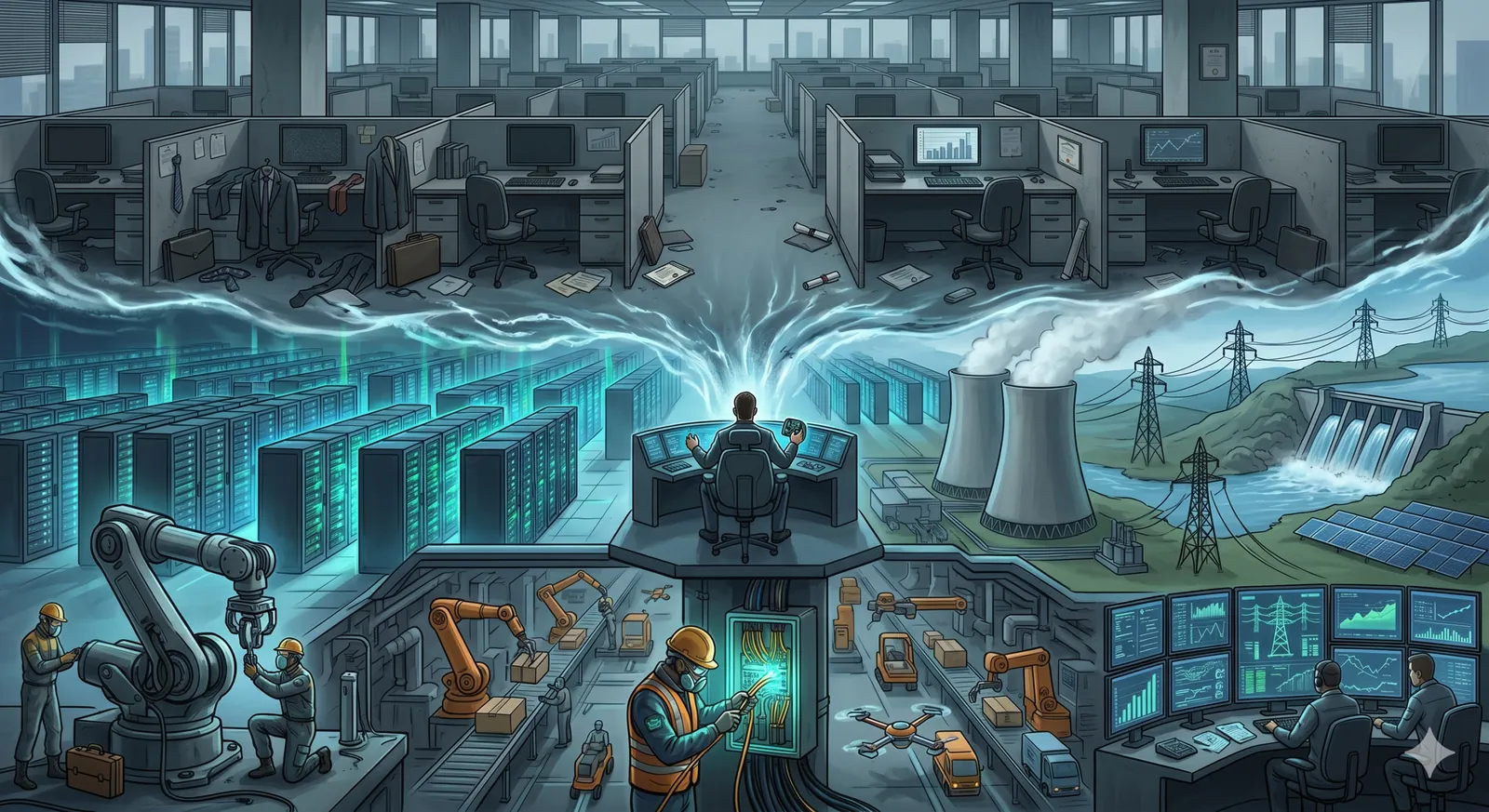
The End of the Office Economy

We have been working in a digital world for a long time. That does not just mean we get to take advantage of global talent, global ideas, and global access. It also means we work inside global cultures every day.
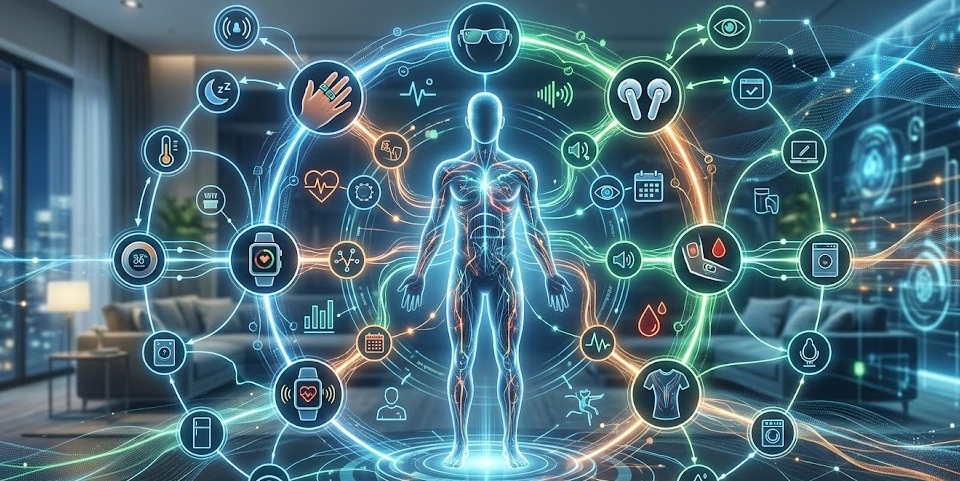
Smart devices have become small enough to disappear into daily life. Rings sit on fingers while people sleep. Watches collect heart rate, movement, temperature, location, notifications, payments, and emergency signals. Glasses are starting to see what we see and hear what we hear. Earbuds can test hearing, translate speech, and understand ambient sound. Continuous glucose monitors can show what food, stress, sleep, and workouts do to the body in real time. Smart beds, thermostats, cars, appliances, home sensors, and even clothing are all collecting pieces of the same story. The problem is that they are still not acting like they belong to the same story. Most smart device integrations today are shallow. A watch can send steps to a fitness app. A ring can send sleep data to a health dashboard. These are useful, but they are not the full promise of smart technology. They are mostly device to app integrations, not life level integrations. The real opportunity is not more tracking. It is coordination. Smart devices should not just measure what happened. They should help the rest of the user’s environment respond intelligently, safely, and privately.
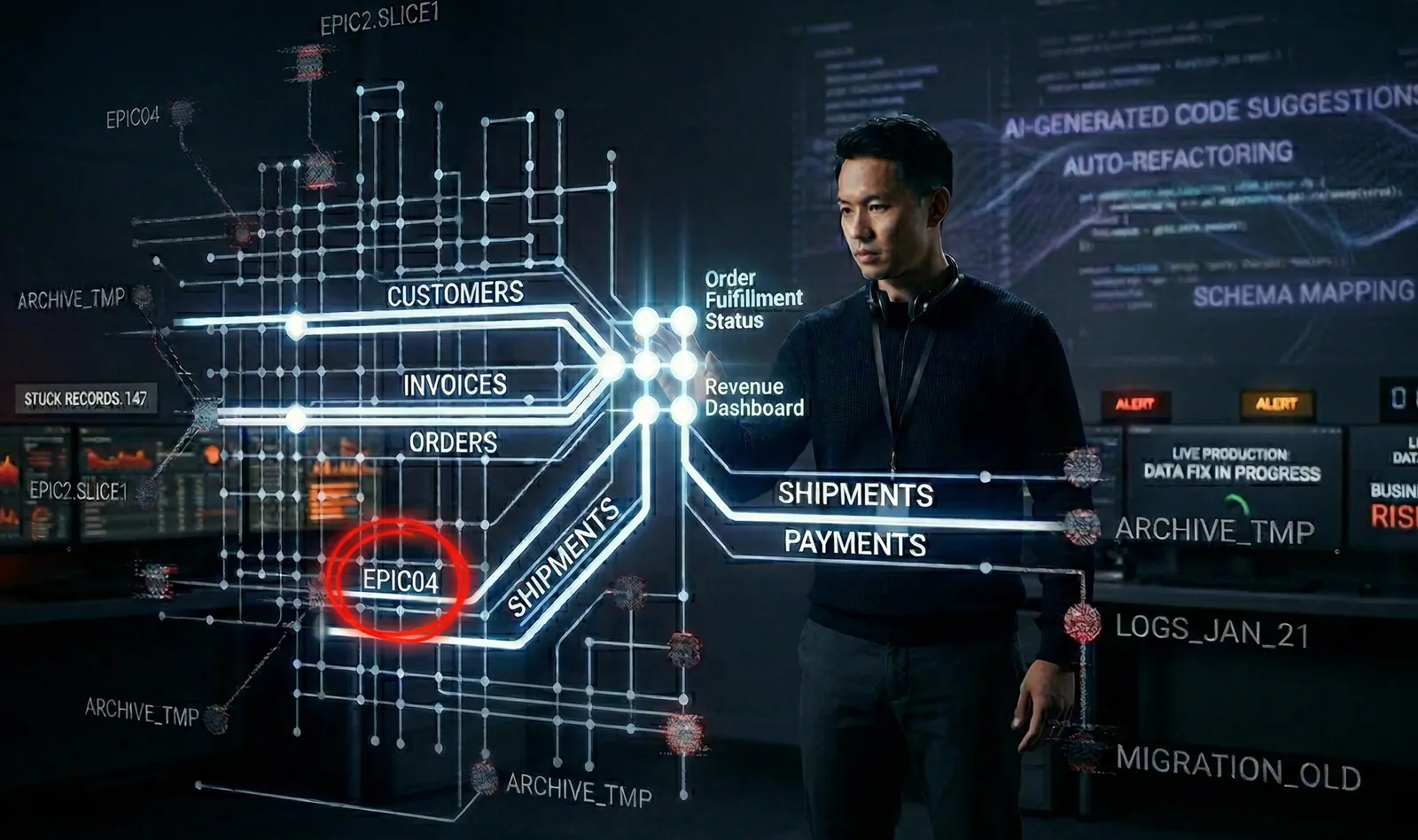
Bad table names can confuse support staff, dev staff, and even AI agents. Also, as of today (and yes things do change quickly!), many popular coding AI models are still naming columns after epics, and rows based on nomenclature that only makes sense during the build process, not text that supports the actual process.

There was a time when learning a landscape meant carrying three separate tools: a topo map for the ridgeline, a field guide for the wildflowers, and a notebook full of half-remembered bird calls. Today, one phone can collapse those lay…
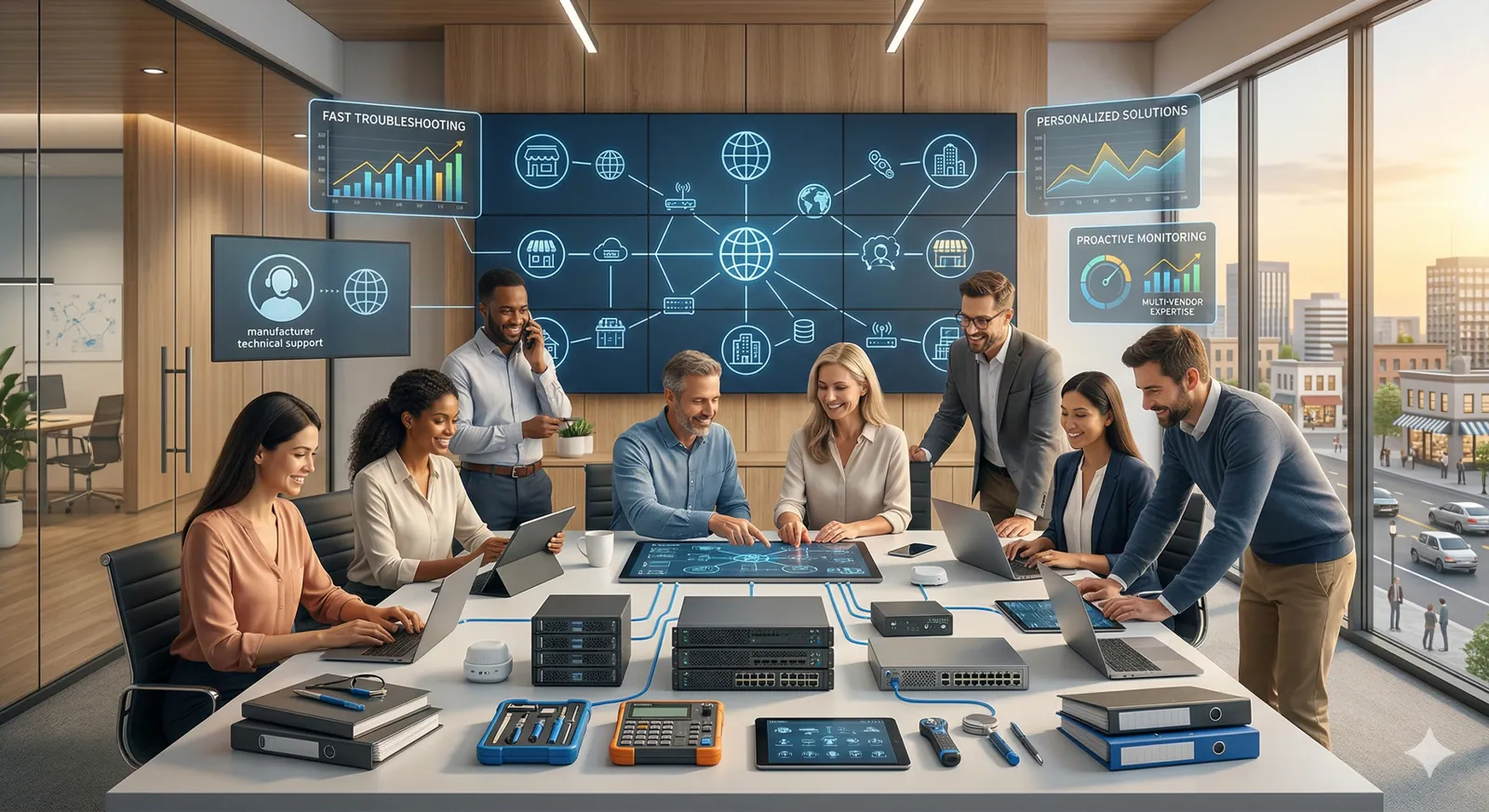
Recently I was on a support call with a client that buys Microsoft 365 through Rackspace. The difference was obvious almost immediately. We had a real person on the line in under a minute. No endless phone tree. No getting handed off t…

In the race to adopt Artificial Intelligence, most businesses have been sprinting toward the cloud. But as we enter 2026, a quiet revolution is happening inside air-gapped server rooms and on the laptops of savvy executives.
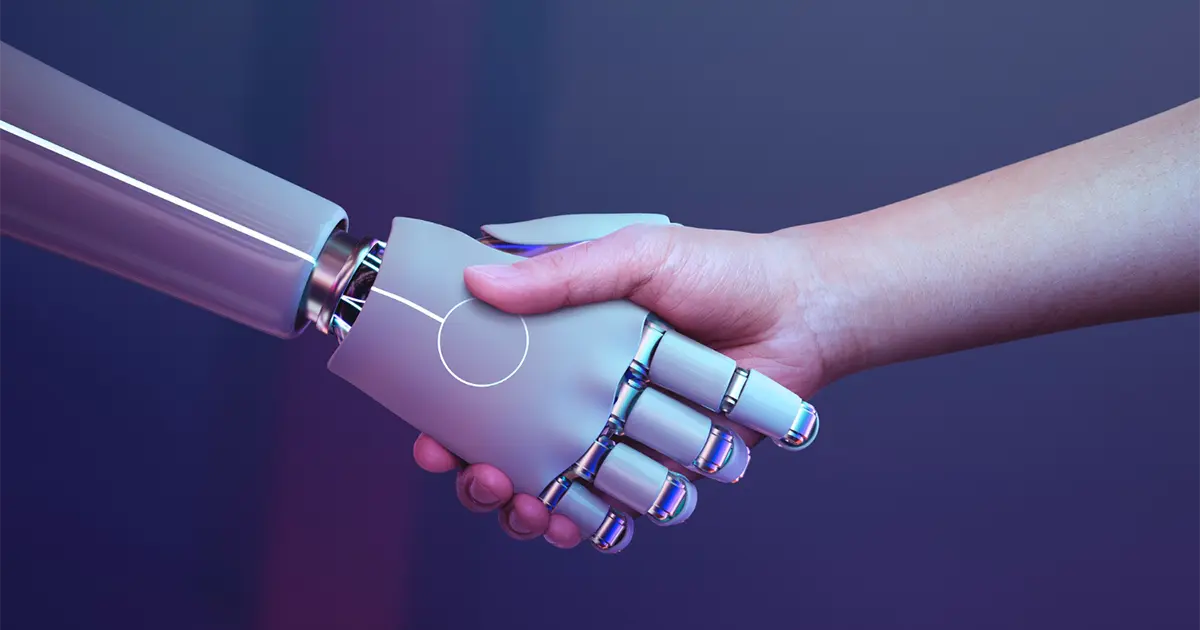
Artificial intelligence is no longer just a trend. In 2026, AI tools are essential for professionals who want to work faster, automate repetitive tasks, and improve decision-making.
Have something ambitious in mind?
Tell us where you are, what is getting in the way, and what a strong outcome looks like. We’ll come back with practical next steps.